When to Call Biohazard Cleanup Professionals Instead of Cleaning Yourself
Not every spill requires professional biohazard cleanup — but certain situations involve biological contaminants that pose serious health risks if handled improperly. The line between a routine cleaning task and a biohazard situation is not always obvious, and making the wrong call can put you and your family at risk of exposure to dangerous pathogens.
Here is a clear guide to help you determine when a situation requires certified biohazard cleanup professionals and when you can handle it safely yourself.
When Professional Biohazard Cleanup Is Required
Trauma and crime scenes. Any scene involving significant blood loss — whether from a violent crime, accident, suicide, or self-harm — requires professional biohazard cleanup. Blood can carry HIV, Hepatitis B, Hepatitis C, and other bloodborne pathogens. It soaks into porous materials (carpet, wood, drywall, concrete), making surface cleaning insufficient. Professional cleanup requires PPE, enzymatic cleaners, hospital-grade disinfectants, and often removal of contaminated building materials.
Unattended death. When a death goes undiscovered for hours, days, or weeks, the resulting decomposition creates severe biohazard conditions including bodily fluid saturation of flooring and structural materials, airborne pathogens, and intense odor. The decomposition process releases bacteria and enzymes that penetrate deeply into building materials. Professional cleanup typically requires removal of contaminated materials (carpet, padding, subflooring, drywall) and extensive decontamination of structural surfaces.
Sewage backups. Sewage contains dangerous concentrations of E. coli, Salmonella, Hepatitis A, Norovirus, and parasites. When sewage backs up into your home — whether from a main line failure, toilet overflow with waste, or municipal system backup — professional decontamination is necessary. DIY cleanup of sewage is particularly dangerous because pathogens can become airborne during cleaning, contaminating your lungs and other surfaces throughout the home.
Hoarding with biological contamination. Advanced hoarding situations often involve accumulated human or animal waste, decomposing food, pest infestations (rats, roaches, flies), and mold growth. These conditions create complex biohazard environments that require systematic cleaning with proper PPE and disposal procedures.
Infectious disease decontamination. Spaces contaminated by certain infectious diseases (Norovirus outbreaks, MRSA, C. difficile) may require professional-grade decontamination to prevent transmission. This is particularly important in commercial settings, shared housing, and facilities with vulnerable populations.
When You Can Handle Cleanup Yourself
Not all biological messes require professional intervention. You can generally handle cleanup yourself when:
Small amount of blood from a minor injury. A cut finger, nosebleed, or small scrape that results in a few drops or a small smear of blood on a non-porous surface (tile, countertop, sealed wood) can be cleaned with household disinfectant and disposable gloves.
Pet accidents on hard surfaces. Routine pet urine or feces on tile, vinyl, or sealed floors can be cleaned with standard cleaning products. However, if pet waste has saturated carpet, padding, or has accumulated over time (chronic pet damage), professional cleaning may be needed.
Small food spills. Spoiled food on countertops or inside appliances is a cleaning task, not a biohazard situation. Clean with standard kitchen disinfectant.
Vomit on hard surfaces. A single episode of vomiting on tile or another non-porous surface can be cleaned with household products and disposable gloves, provided no infectious disease is suspected.
The Health Risks of DIY Biohazard Cleanup
When people attempt to clean biohazard scenes themselves, they face risks that are not always apparent:
Bloodborne pathogen exposure. Hepatitis B virus can survive on dried surfaces for up to 7 days. Hepatitis C can survive up to 3 weeks. HIV is less durable outside the body but remains a risk in fresh blood. These viruses can enter your body through cuts, abrasions, mucous membranes (eyes, nose, mouth), or accidental needle sticks.
Airborne pathogen inhalation. Cleaning activities (scrubbing, vacuuming, wiping) can aerosolize bacteria and viruses, creating an inhalation risk. Standard household cleaning without a respirator provides no protection against airborne pathogens.
Inadequate decontamination. Household cleaning products do not achieve the level of decontamination required for biohazard situations. Hospital-grade disinfectants with specific dwell times are needed to ensure pathogen elimination. Additionally, blood and bodily fluids that have penetrated porous materials (wood, carpet, concrete) cannot be decontaminated with surface cleaning alone — the materials must be removed.
Cross-contamination. Without training in containment procedures, DIY cleaning often spreads contamination to previously clean areas. Carrying contaminated rags through the house, using the same mop in multiple areas, or cleaning with an ordinary vacuum (which exhausts contaminated air) are common mistakes.
Emotional and psychological impact. Cleaning up after a death or violent event is psychologically traumatic. Professional biohazard teams are trained to handle these situations compassionately and can shield families from additional emotional distress.
What Professional Biohazard Cleanup Involves
Professional biohazard cleanup goes far beyond surface cleaning:
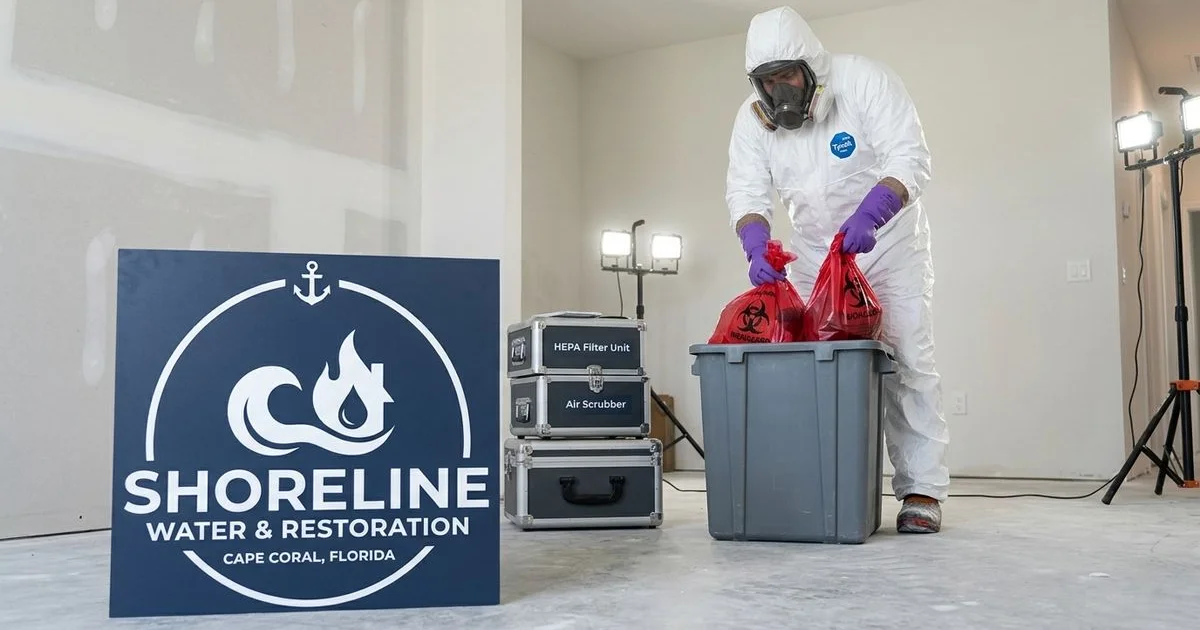
- Full PPE — Tyvek suits, N95 or higher respirators, face shields, double-layer nitrile gloves, shoe covers
- Containment — isolation of the affected area to prevent cross-contamination
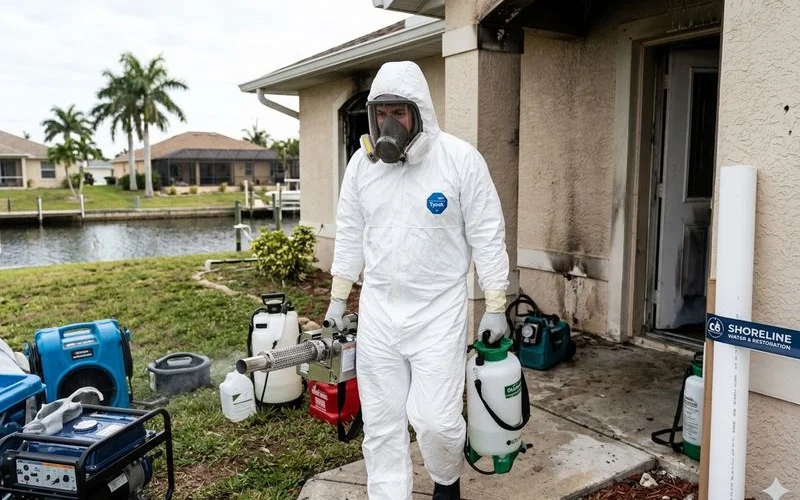
- Enzymatic cleaners — products that break down biological material at the molecular level
- Hospital-grade disinfectants — EPA-registered products with documented kill rates for specific pathogens
- Material removal — demolition and disposal of contaminated porous materials
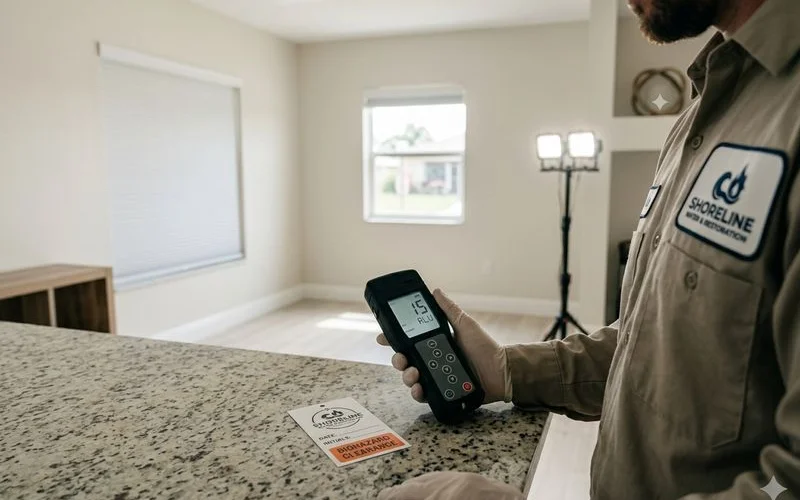
- ATP testing — verification that surfaces are free of biological contamination after cleaning
- Regulated waste disposal — biohazard materials are packaged and transported to licensed disposal facilities in compliance with OSHA and state regulations
Cost and Insurance
Professional biohazard cleanup costs vary by situation:
- Small-area blood cleanup: $500-$2,000
- Unattended death cleanup: $3,000-$10,000+
- Hoarding cleanup: $2,000-$15,000+ depending on severity
- Sewage decontamination: $2,000-$8,000
Many homeowner insurance policies cover biohazard cleanup, particularly for trauma scenes and unattended deaths. Crime victim assistance programs may also provide coverage. We work with insurance carriers and assistance programs to minimize your out-of-pocket costs.
When in Doubt, Call
If you are unsure whether a situation requires professional biohazard cleanup, call us. We provide confidential consultations and honest assessments. Some situations that look serious may be manageable with guidance; others that seem minor may present hidden dangers. We would rather help you avoid an unnecessary expense than see you risk your health.
Call (239) 323-1779 for confidential biohazard cleanup consultation in Cape Coral. Discreet, compassionate service available 24/7.

Paul Breehne
Regional Franchise Operator
Paul Breehne is a Regional Franchise Operator for Shoreline Water & Restoration in Southwest Florida, bringing over a decade of hands-on restoration experience to the Cape Coral market.
Need Emergency Restoration?
Shoreline Water & Restoration provides 60-minute emergency response in Cape Coral.
Call (239) 323-1779