How to Prevent Water Damage Before Hurricane Season in Cape Coral
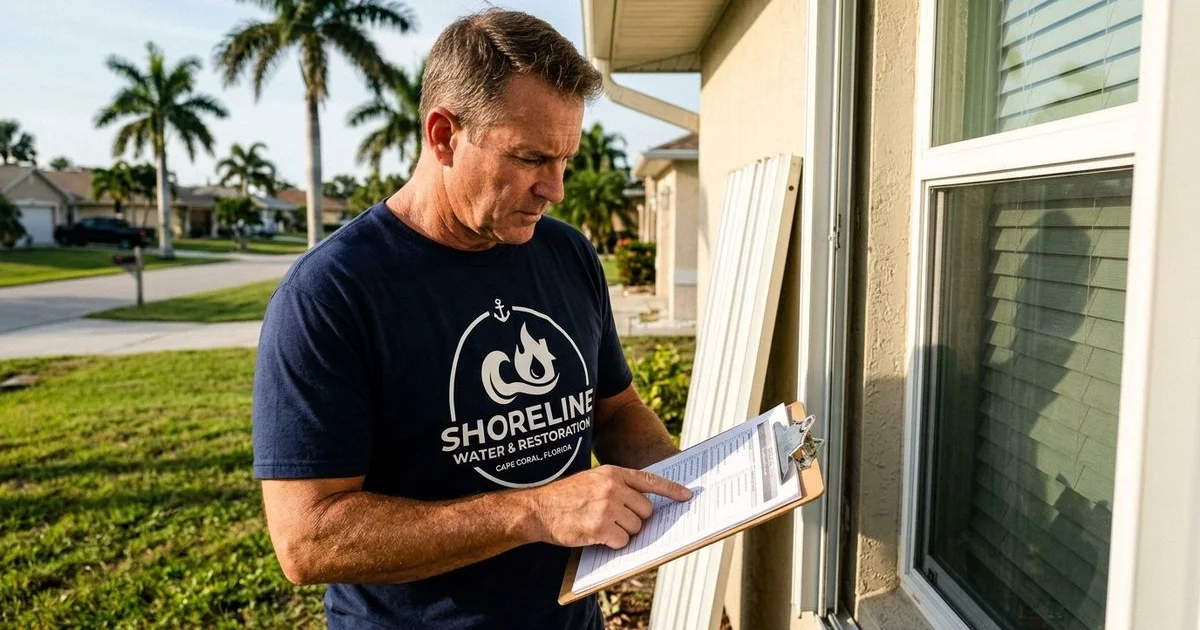
Hurricane season in Cape Coral runs from June 1 through November 30, with peak activity between August and October. While you cannot prevent a hurricane from hitting Southwest Florida, you can take specific steps to minimize water damage to your home when storms arrive. Most of these steps cost little or nothing, and the protection they provide can save thousands in restoration costs.
Here are the most effective water damage prevention measures Cape Coral homeowners should complete before hurricane season begins.
Roof Inspection and Maintenance
Your roof is your home’s primary defense against water intrusion during storms. Even minor damage can allow significant water entry during the heavy, wind-driven rain of a tropical storm or hurricane.
Schedule a professional roof inspection. Have a licensed roofing contractor inspect for missing or damaged shingles, cracked tiles, deteriorating flashing around vents and chimneys, and compromised roof-to-wall connections. Repair any issues before storm season begins.
Clean gutters and downspouts. Clogged gutters cause water to back up under roof edges and into soffit areas. Clean all gutters, verify downspouts are clear, and ensure water discharges at least 3 feet from your foundation. Install gutter guards if tree debris is a recurring problem.
Check roof penetrations. Inspect all roof penetrations — plumbing vents, exhaust fans, satellite dishes, solar panel attachments — for deteriorated seals. Reseal any penetrations that show cracking or separation.
Plumbing System Assessment
Plumbing failures during storms are a double threat — your home may already be dealing with wind and rain damage when a burst pipe compounds the problem.
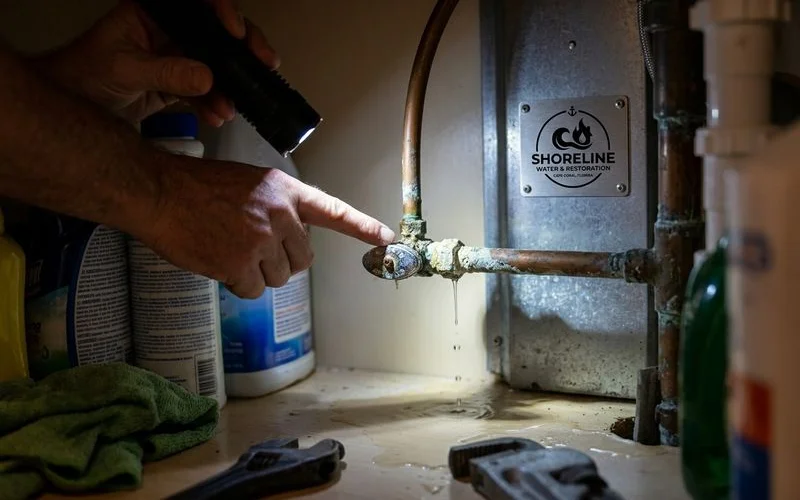
Inspect supply lines. Check all visible supply lines to toilets, sinks, washing machines, dishwashers, and ice makers. Replace any rubber or braided lines that are more than 5 years old. Upgrade to braided stainless steel lines for added durability.
Know your shutoff valve. Every household member should know the location of the main water shutoff valve and how to operate it. If evacuating before a storm, consider shutting off the water supply to prevent burst pipe flooding while you are away.
Check water heater condition. If your water heater is more than 10 years old, have it inspected. A failing water heater during a storm can add 40 to 80 gallons of flooding to an already stressful situation.
Drainage and Grading
Proper drainage directs water away from your foundation during heavy rain events. In Cape Coral’s flat terrain, even small drainage problems can cause water to pool against your home.
Check the grade around your foundation. Soil should slope away from the foundation at a rate of at least 1 inch per foot for the first 6 feet. Over time, soil settles and landscaping changes can reverse the grade, directing water toward the home.
Clear drainage swales. Many Cape Coral properties rely on swales (shallow ditches between properties) for stormwater drainage. Clear any debris, vegetation, or fill that may be blocking swale flow.
Inspect for low spots. Walk your property during a moderate rain event and identify any areas where water pools near the foundation, garage, or entry points. Address these low spots with fill dirt and regrading before storm season.
Window and Door Protection
Wind-driven rain can force water through window and door seals, especially during sustained tropical storm or hurricane conditions.
Inspect weather stripping. Check all exterior door weather stripping and replace any that is cracked, compressed, or missing. Pay particular attention to sliding glass doors and garage doors, which are common water entry points during storms.
Check window caulking. Inspect caulking around all windows and reseal any gaps or deteriorated sections. Use a quality exterior-grade silicone caulk rated for UV exposure.
Test your storm shutters. If you have hurricane shutters, test them now — not when a storm is approaching. Replace any damaged panels, lubricate tracks, and verify that all fasteners are present and functional.
HVAC System Preparation
Your HVAC system can be both a vulnerability and a protective asset during hurricane season.
Service your AC before summer. A well-functioning AC system dehumidifies your home, reducing the moisture available for mold growth if minor water intrusion occurs during a storm. Schedule annual maintenance before hurricane season begins.
Protect the outdoor unit. Secure any loose components on your outdoor AC condenser. Consider installing a bolt-on hurricane tie-down kit for the unit. Clear any loose debris from the area around the unit that could become projectiles in high winds.
Elevate if possible. In flood-prone areas, consider elevating your outdoor AC unit on a platform. Flood water damage to the condenser can result in a $3,000 to $8,000 replacement.
Emergency Preparedness
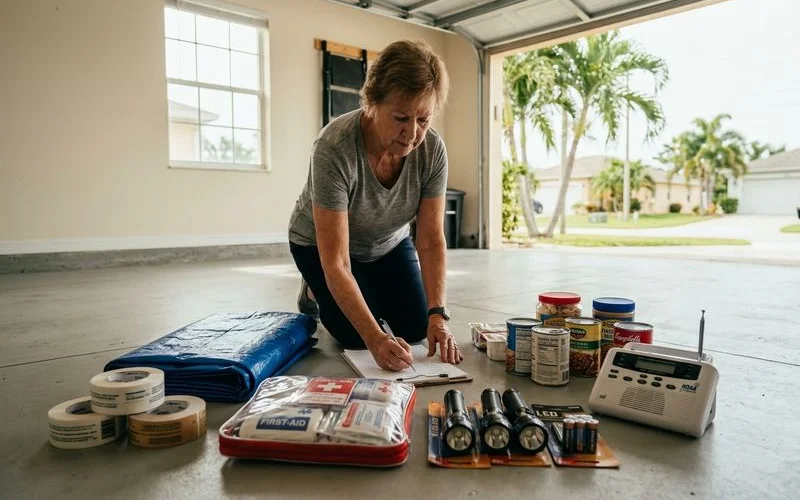
Build a water damage emergency kit:
- Flashlights and batteries
- Photos of all rooms (for pre-storm documentation)
- Insurance policy information and agent contact
- Restoration company emergency number: (239) 323-1779
- Plastic sheeting and duct tape (for temporary leak containment)
- Sandbags (available free from Cape Coral before storms)
Know your flood zone. Check your property’s flood zone designation at the Lee County Property Appraiser website. Properties in zones A, AE, or VE face the highest flood risk and should carry flood insurance.
For Seasonal Residents
If you leave your Cape Coral home unoccupied during hurricane season:
- Shut off the main water supply to eliminate burst pipe risk
- Set your AC to 78°F with the fan on auto — this maintains dehumidification
- Install smart water leak sensors connected to your phone for real-time alerts
- Arrange for a property check service or trusted neighbor to inspect after storms
- Leave a set of storm shutters up or have a local company on retainer for pre-storm installation
The Cost of Prevention vs. Restoration
A full day spent on hurricane-season preparation costs nothing but your time, plus perhaps $200-$500 for supply line replacements, caulking, and weather stripping. A single water damage event during a storm can cost $5,000 to $50,000 or more in restoration and reconstruction — much of which could have been prevented.
Call (239) 323-1779 if you need a pre-hurricane-season water damage risk assessment for your Cape Coral property.

Paul Breehne
Regional Franchise Operator
Paul Breehne is a Regional Franchise Operator for Shoreline Water & Restoration in Southwest Florida, bringing over a decade of hands-on restoration experience to the Cape Coral market.
Need Emergency Restoration?
Shoreline Water & Restoration provides 60-minute emergency response in Cape Coral.
Call (239) 323-1779